The Captain nemo

Sustainable Water Engineering
Feasibility Study

Feasibility & Engineering Approach
This project is grounded in established principles of large-scale offshore and coastal engineering. The objective is not to rely on speculative physics or untested environmental assumptions, but to apply proven structural and systems engineering methods to a new class of water infrastructure.
Offshore engineering precedent
Large-scale offshore systems already operate successfully in extreme marine environments. These include offshore wind energy installations, subsea infrastructure networks, offshore platforms, and floating structural systems. These projects demonstrate that it is possible to design, construct, anchor, and maintain complex engineered systems in deep and high-energy marine conditions.
The existence of these systems confirms that environmental challenges such as wave loading, corrosion, seabed anchoring, and long-term structural fatigue are well understood and manageable within established engineering practice.
Site selection and environmental viability
Feasibility is assessed through environmental and geotechnical suitability rather than theoretical possibility. Key considerations include water depth, seabed composition, wave climate, wind exposure, and proximity to established offshore infrastructure zones.
Areas already hosting or supporting offshore energy systems, such as wind installations, are of particular interest because they indicate proven engineering viability under similar environmental loads. These zones provide a practical reference point for assessing whether additional infrastructure can be safely integrated or developed in parallel.
This approach does not assume equivalence between systems, but uses existing offshore development regions as indicators of structural feasibility and operational access.
Engineering development methodology
The project follows a staged engineering validation process consistent with large-scale infrastructure development:
Concept definition and system modelling to establish functional requirements and load assumptions.
Structural and environmental simulation to assess response under marine conditions.
Scaled prototyping to validate physical behaviour and materials performance.
Controlled testing to evaluate durability, stability, and operational integration.
Certification and compliance review aligned with maritime and engineering standards.
This staged approach ensures that feasibility is not assumed, but progressively demonstrated through measurable outcomes.
System-level operation overview
At a functional level, the system is designed as an integrated offshore infrastructure platform supporting integrated water collection, storage, and transfer operations. Core elements include environmental water collection systems, energy integration, storage and transfer systems, and maintenance access design.
The system is intended to operate continuously in marine conditions, with resilience built into both structure and operational cycles. Maintenance planning, redundancy, and environmental monitoring are treated as core design principles rather than secondary considerations.
Conclusion
Feasibility is established through alignment with existing offshore engineering practice, structured validation methodology, and environmental compatibility assessment. The project is defined as a staged infrastructure system, progressing through measurable engineering phases, with each stage requiring validation prior to advancement.
Validation and Deployment Approach
Phase 1: Feasibility and Validation
This stage focuses on confirming core assumptions, including water capture rates, structural behaviour, environmental exposure, and basic transfer mechanisms. Success is defined by stable, repeatable collection and controlled storage under real-world conditions.
Phase 2: Regional Pilot
A reduced-scale operational system is deployed in a defined location to test integrated performance. This includes water capture, storage, transfer, and delivery. Success is measured by consistent operation, reliability over time, and verified output within expected ranges.
Phase 3: Replication and Scaling
Expansion into multiple units and locations, introducing full system coordination. This phase validates fleet rotation, load balancing, and continuous operation across varying conditions. Success is defined by sustained delivery capacity, operational efficiency, and economic viability at scale.
Aurora Intelligence Core

Aurora The Intelligence Core of The Captain Nemo
Captain Nemo system is designed to address one of the world’s most pressing challenges: large-scale water distribution across water-stressed regions.
At the centre of this capability is Aurora, a proprietary AI-driven intelligence platform that orchestrates fleet operations, ensuring safety, efficiency, and continuous adaptation within complex marine environments.
Aurora provides real-time 360-degree environmental awareness, supports autonomous navigation, and optimises vessel performance across long-distance operations.
It enables the Mothership to operate with precision, resilience, and operational efficiency in environments where conventional systems are limited by scale, distance, and dynamic conditions.
Perception. Decision. Optimisation.
Aurora Intelligence Core
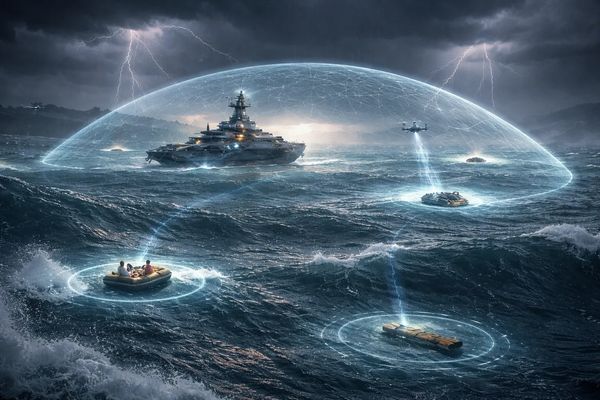
Aurora Environmental Awareness System
A quiet intelligence watching, learning, and responding to the world around it.
fleet readiness MAINTENANCE

Fleet Readiness & Maintenance
Fleet readiness and maintenance ensures every Nemo Hydra vessel remains in continuous operational condition. Systems are routinely inspected, tested, and reset between deployment cycles to maintain reliability across high-volume transfer operations.
Automated diagnostics and remote monitoring support early detection of wear or faults, allowing corrective action before performance is affected.
Cleaning and servicing are carried out in controlled environments to ensure each vessel returns to service in a fully verified state.
The objective is simple: continuity.
Every unit must remain ready to connect, transfer, and redeploy without interruption across the network.
Water Network
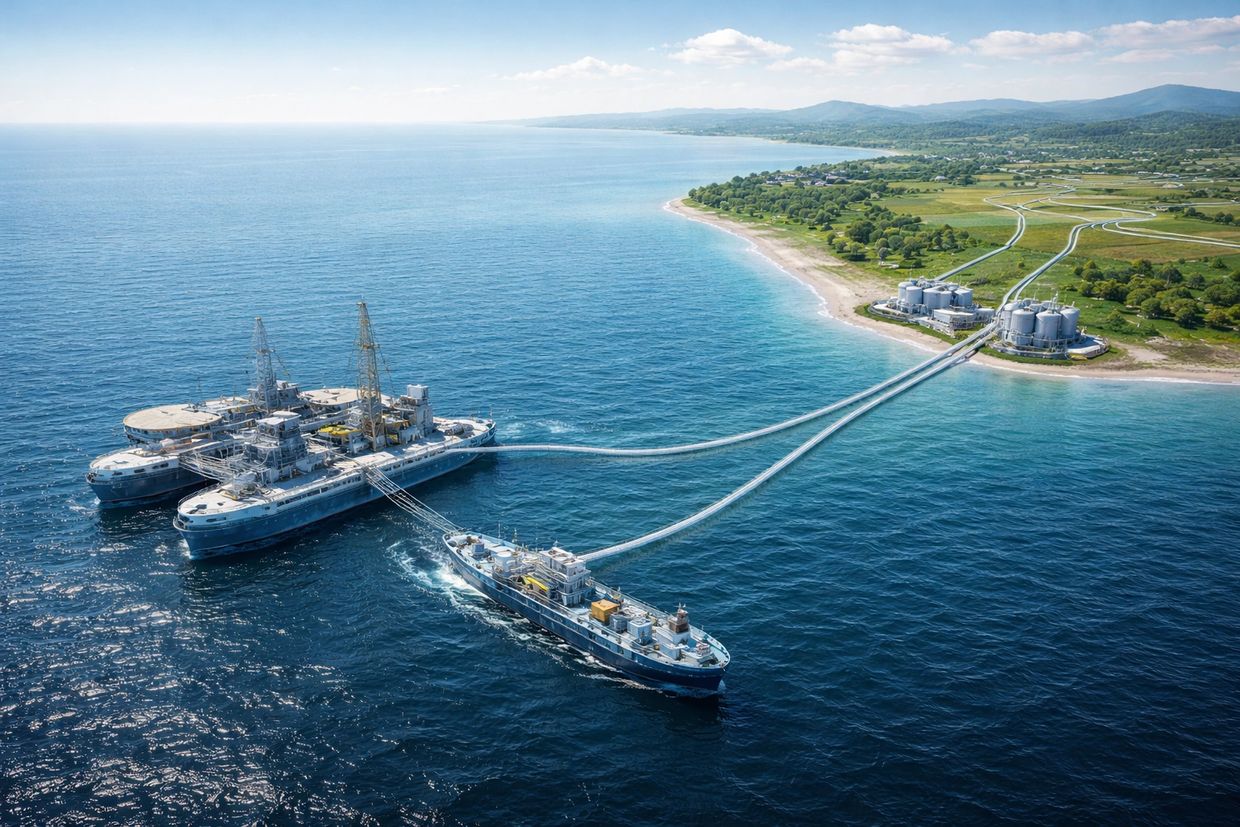
Flexible Water Solutions in Sustainable Engineering
The system is built for adaptability across coastal, offshore, and inland environments without reliance on fixed infrastructure. It operates through a coordinated network of maritime transport and distributed delivery hubs, allowing water to be moved, processed, and supplied where demand shifts.
Each node connects into a wider system that can scale up or down depending on regional need, ensuring continuity of supply across changing conditions. The design prioritises flexibility over static infrastructure, enabling rapid reconfiguration of how and where water is delivered.
The objective is resilience through adaptation: a water network that responds to need in real time.
Infrastructure Partnership Programme
Strategic Infrastructure Partners
A phased development initiative focused on integrated water, rail, and digital infrastructure corridors. The programme is designed to support coordinated planning, engineering collaboration, and long-term regional connectivity across emerging development zones.
Coastal Water Hub & Rail Distribution Link
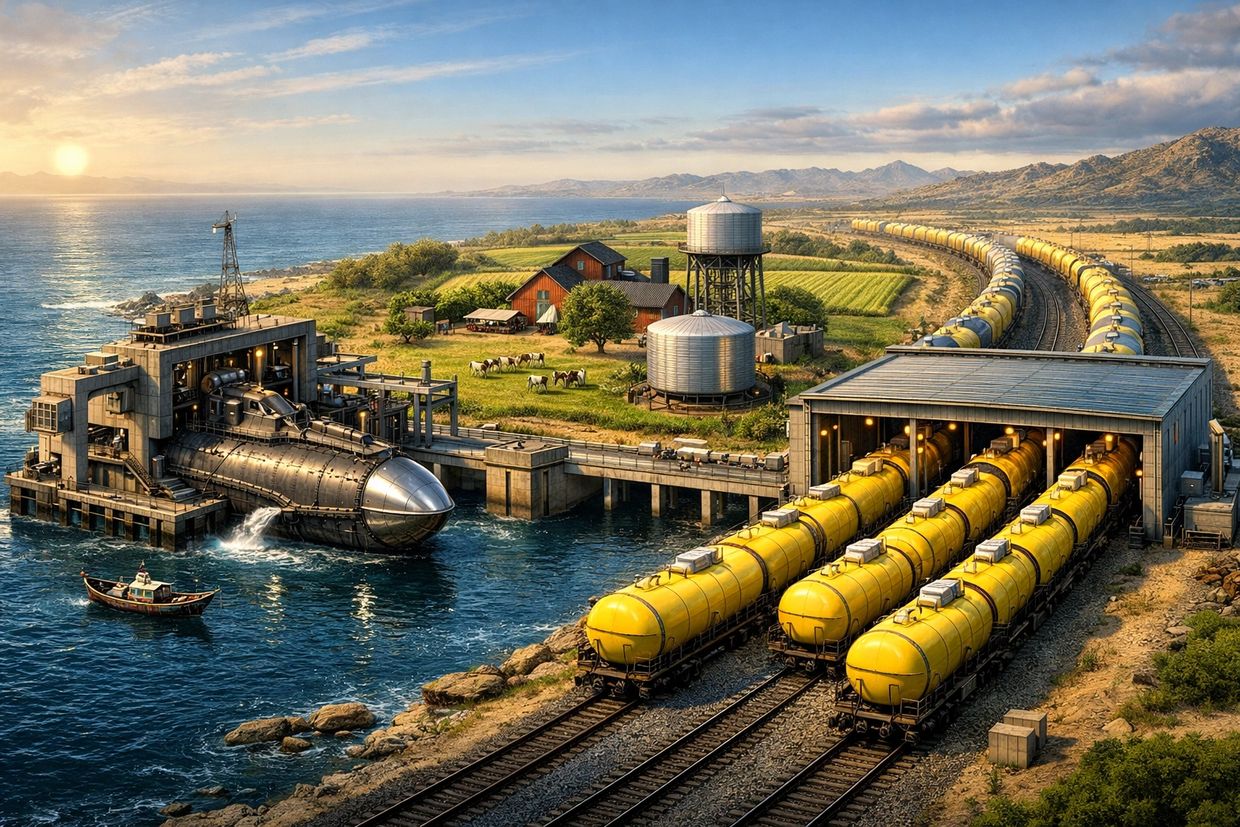
“Operational Water Transfer Node Linking Coastal Supply to Inland Corridors”
The Captain Nemo Ocean Engineering
Ocean Barrier Engineering
This structure functions as a primary offshore barrier and stabilisation element within the station system. It is positioned to manage direct ocean loading, moderate wave impact, and protect operational zones within the mothership network. The design is intended for continuous operation in open-sea conditions, where structural integrity and load distribution are maintained under variable wave states and sustained environmental stress.
Captain Nemo Offshore Rain Collecting Station (Quint-CeLL)
Ocean Engineering Expertise
At the Captain Nemo system, we leverage advanced offshore engineering principles to develop solutions that provide reliable water access to underserved regions.
Our expertise in marine systems design enables us to develop infrastructure that is both operationally efficient and environmentally sustainable.
The station’s silhouette, defined by structural solidity and marine-grade resilience, evokes a sense of timeless engineering strength. By adapting this form with lighter, more durable materials, we preserve its beacon-like presence while aligning it with modern performance requirements—elegant, resilient, and enduring.
“This is where we harvest and process water before it is transferred into inland supply networks.”
Captain Nemo Transport Fleet

Nautilus Class (standard transport)
The Nautilus-class Mothership is the standard operational transport vessel of The Captain Nemo Transport Fleet, responsible for routine movement of water between offshore stations, transfer points, and coastal delivery zones.
THE CAPTAIN NEMO TRANSPORT FLEET
Hydra Class (heavy carrier)
Nemo Hydra is a large-scale water logistics system designed to harvest water and transport it across the ocean in high-volume carrier vessels. The system moves water through a continuous supply chain from source to destination using coordinated marine infrastructure.
Its purpose is to deliver reliable water supply to barren coastal regions where access is limited, supporting essential needs and long-term regional stability.
Maximum volume, minimum complexity, continuous control through intelligence rather than physical command positions
The Captain NEMO TRANSPORT FLEET
Titan Class Carrier (largest capacity system)
Delivering one billion litres of freshwater to regions in critical need through a sustainable, continuous maritime distribution system
Enabling long-term growth through reliable access to freshwater, forming the foundation of a national program for water security.